Is Your Stove Malfunctioning? Get Fast Local Repair in Conyers.
Don’t let a broken burner or faulty heating element stop your family mealtime. ConyersAppliancePros provides quick, trustworthy stove and range repair services across Conyers and neighboring communities.
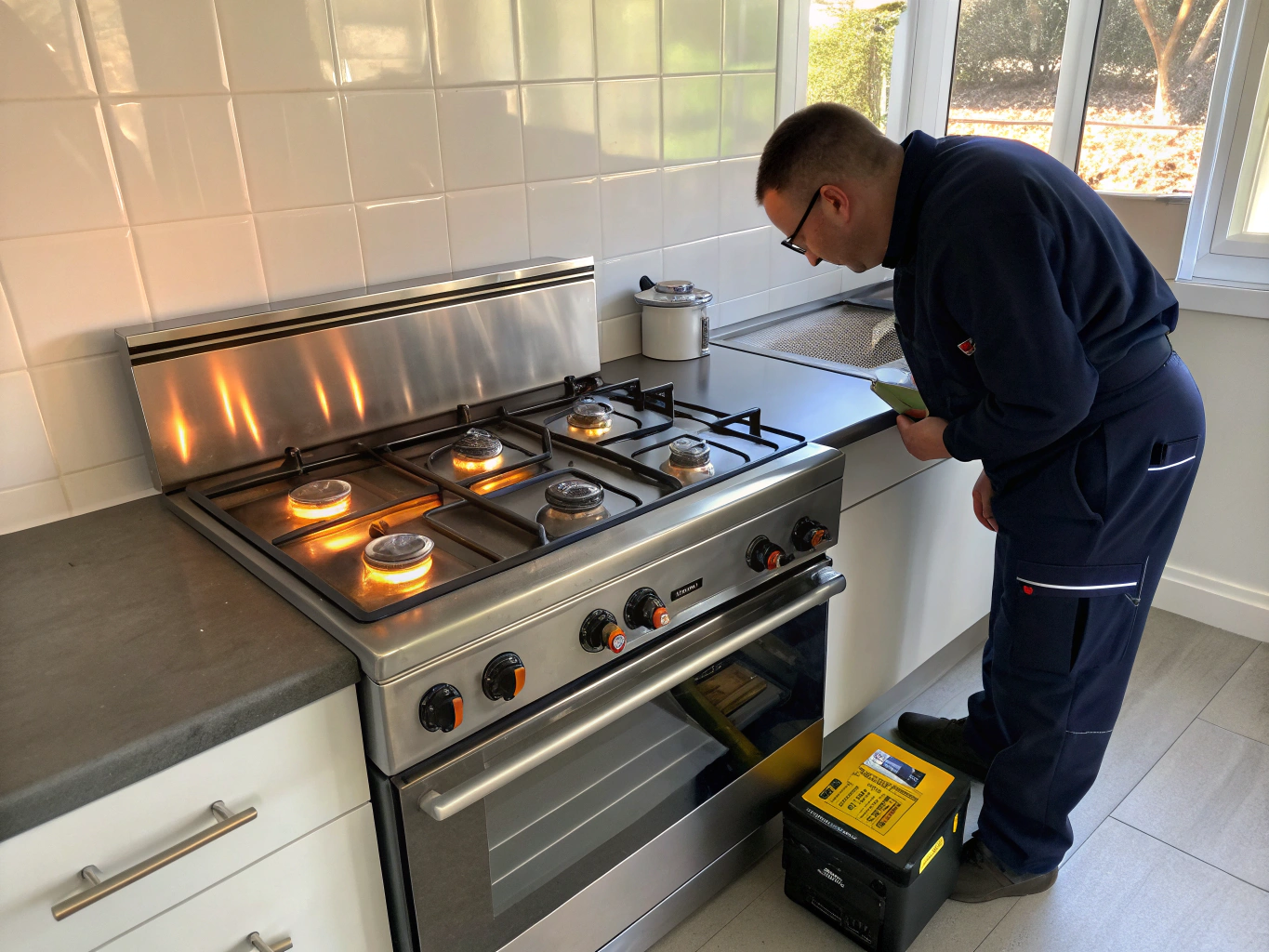
Stove Not Powering On? Immediate Troubleshooting & Local Repair
Select your exact stove symptom below for immediate diagnostic guidance, or schedule a certified ConyersAppliancePros repair technician to restore power safely today.
Completely Dead / No Power
Display won't light up and zero burners operate.
Display Works / Burners Cold
Digital clock & lights operate, but stove elements stay cold.
Gas Stove Clicks / Won't Spark
Continuous clicking noise or gas flows without igniting.
Control Panel Error Code
Digital panel flashes error code (e.g. F10, F30, E15).
Most Likely Cause:
Tripped 240V dual-pole breaker, blown internal thermal fuse, or burnt terminal block socket.
Recommended DIY Verification:
Inspect your home breaker box. Reset both switches on the dedicated 40A-50A stove circuit breaker firmly.
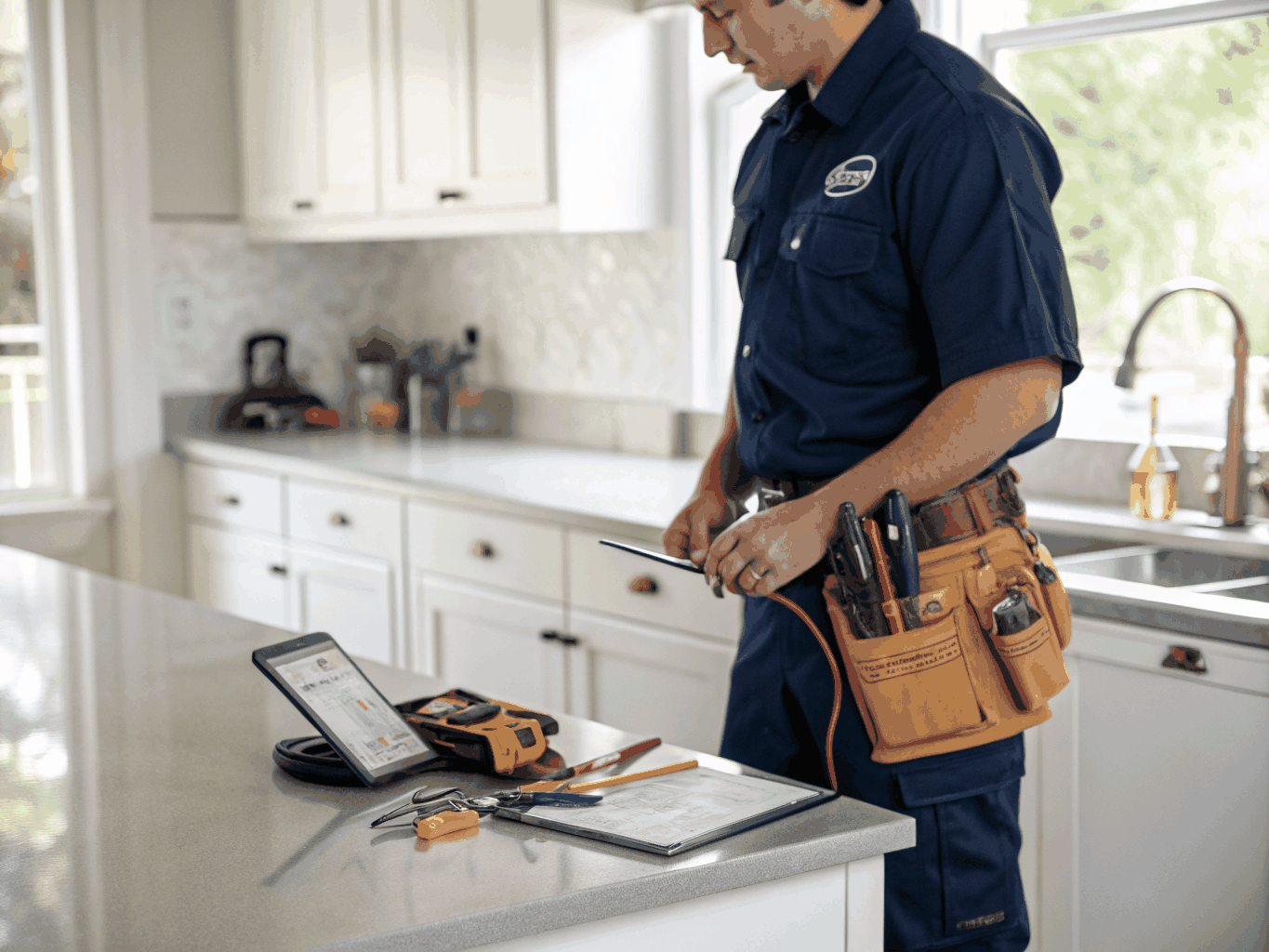
Serving Conyers, GA & surrounding Rockdale County areas
Need immediate emergency help?
Call (470) 847-9076 NowStove & Range Power Diagnostic Guide
Is your range completely dead or refusing to heat? Follow our step-by-step diagnostic workflow for electric, gas, and induction cooktops before scheduling local service in Conyers, GA.
Select Your Appliance Type
Tailored inspection steps based on fuel and power delivery type
Step-by-Step Diagnostic Steps (ELECTRIC)
Perform these checks systematically to isolate the root cause of power failure.
How to Inspect:
Locate your main electrical panel. Locate the double-pole 40A or 50A stove breaker. Switch it fully to OFF, then firmly flip back to ON. A partially tripped breaker often looks engaged.
Caution: Electric ranges require full 240V. If one 120V leg trips, clock lights up but burners will not heat.
How to Inspect:
Unplug stove completely. Unscrew the small metal access cover on the lower back panel. Inspect the 3 or 4 terminal posts for charred wiring, melted nuts, or loose strain relief screws.
Caution: High current combined with loose screw contacts creates extreme heat and arcing.
How to Inspect:
Unplug unit and locate the high-limit thermal fuse on the back cabinet wall. Using a multimeter set to Ohms (Rx1), check for continuity across terminals. Zero ohms indicates healthy fuse; infinity means blown.
Caution: A blown fuse usually stems from oven self-clean cycle overheating or blocked vent ducting.
Most Frequent Causes of Stove Power Failure
Based on historical repair data from homes across Conyers, GA, these four components account for over 85% of power loss issues.
High startup amperage can trip one side of a 240V breaker, resulting in functional lights but zero burner or oven heating.
Movement during cleaning or original installation loose screws cause high-resistance arcing that burns wire insulation.
Extreme self-clean heat trips safety thermal cutouts to protect control electronics from permanent damage.
Lightning or local utility power fluctuations damage delicate transformer relays on main electronic circuit board.
Still Can't Find the Power Issue?
Electrical components and gas ignition assemblies operate under high current and thermal stress. If DIY diagnostics haven't resolved your stove issue, let our factory-trained local technicians test your range safely.
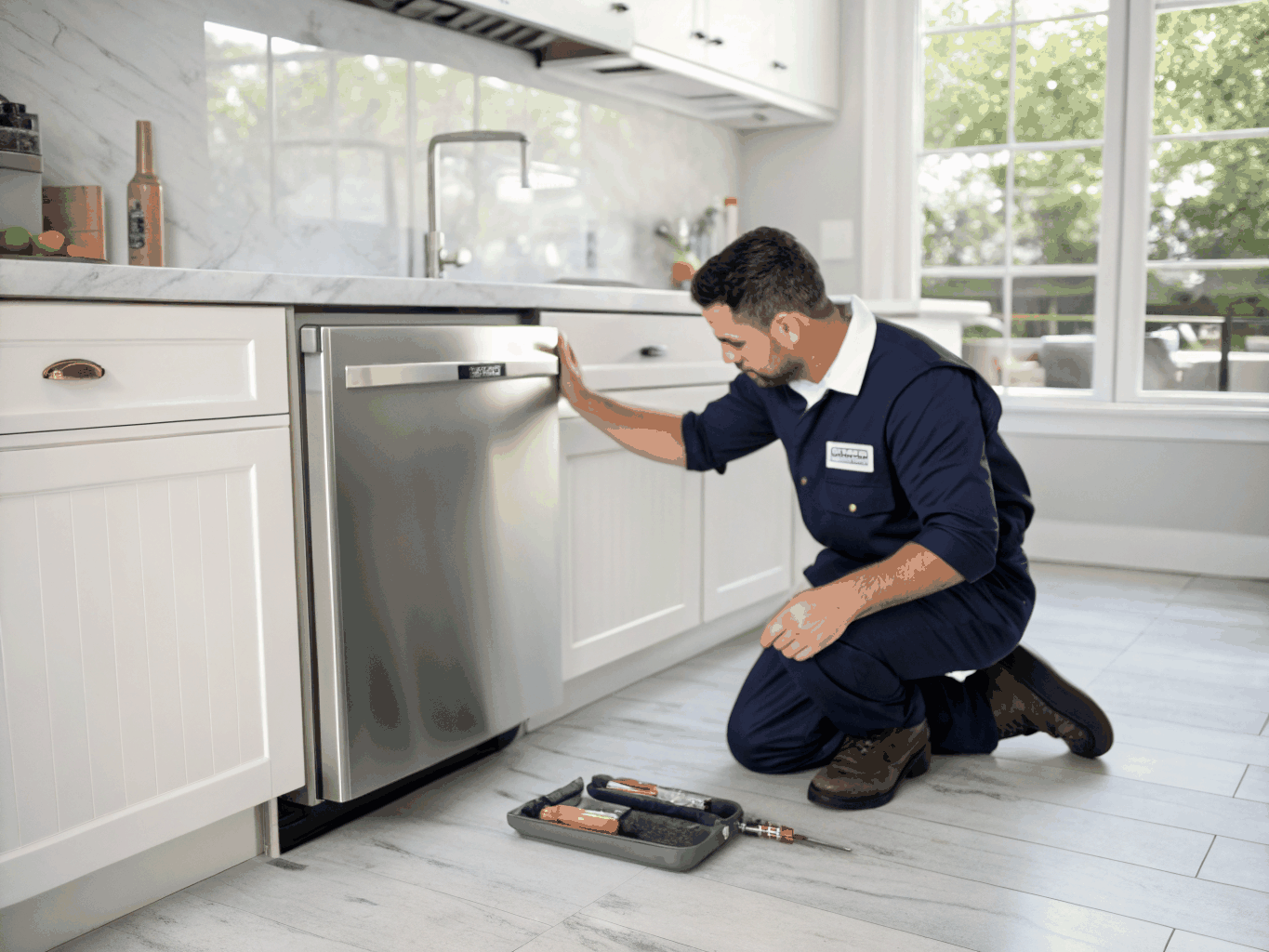
Frequently Asked Stove Power Questions
Common inquiry answers for homeowners troubleshooting stove failures