When a refrigerator, washer, dryer, dishwasher, or oven suddenly stops working, it’s rarely random. Most appliance failures trace back to one of a handful of common causes, and knowing what to check first can save a service call or help a technician diagnose the problem faster. For general background, see the U.S. Department of Energy’s appliance guidance: the U.S. Department of Energy’s appliance guidance. This page covers appliance not working in detail below.
7 Common Causes of Appliance Failure (Appliance not working)
- Power supply issues: A tripped breaker, blown fuse, or loose power cord is the simplest and most common reason an appliance won’t start at all.
- 2. Worn seals and gaskets: Door seals on refrigerators, dishwashers, and washers wear down over time, leading to leaks, poor cooling, or inefficient cycles.
- 3. Clogged filters, vents, or drains: Lint buildup in a dryer vent, a clogged dishwasher filter, or a blocked washer drain hose are frequent, often self-checkable culprits.
- 4. Faulty heating elements or igniters: Ovens, dryers, and dishwashers all rely on a heating element or igniter that can wear out or fail outright with age.
- 5. Worn motors, belts, or pumps: A washer that won’t spin or a dishwasher that won’t drain often points to a mechanical part reaching the end of its service life.
- 6. Thermostat or sensor malfunctions: Inaccurate temperature readings can cause a refrigerator to run warm or an oven to heat unevenly.
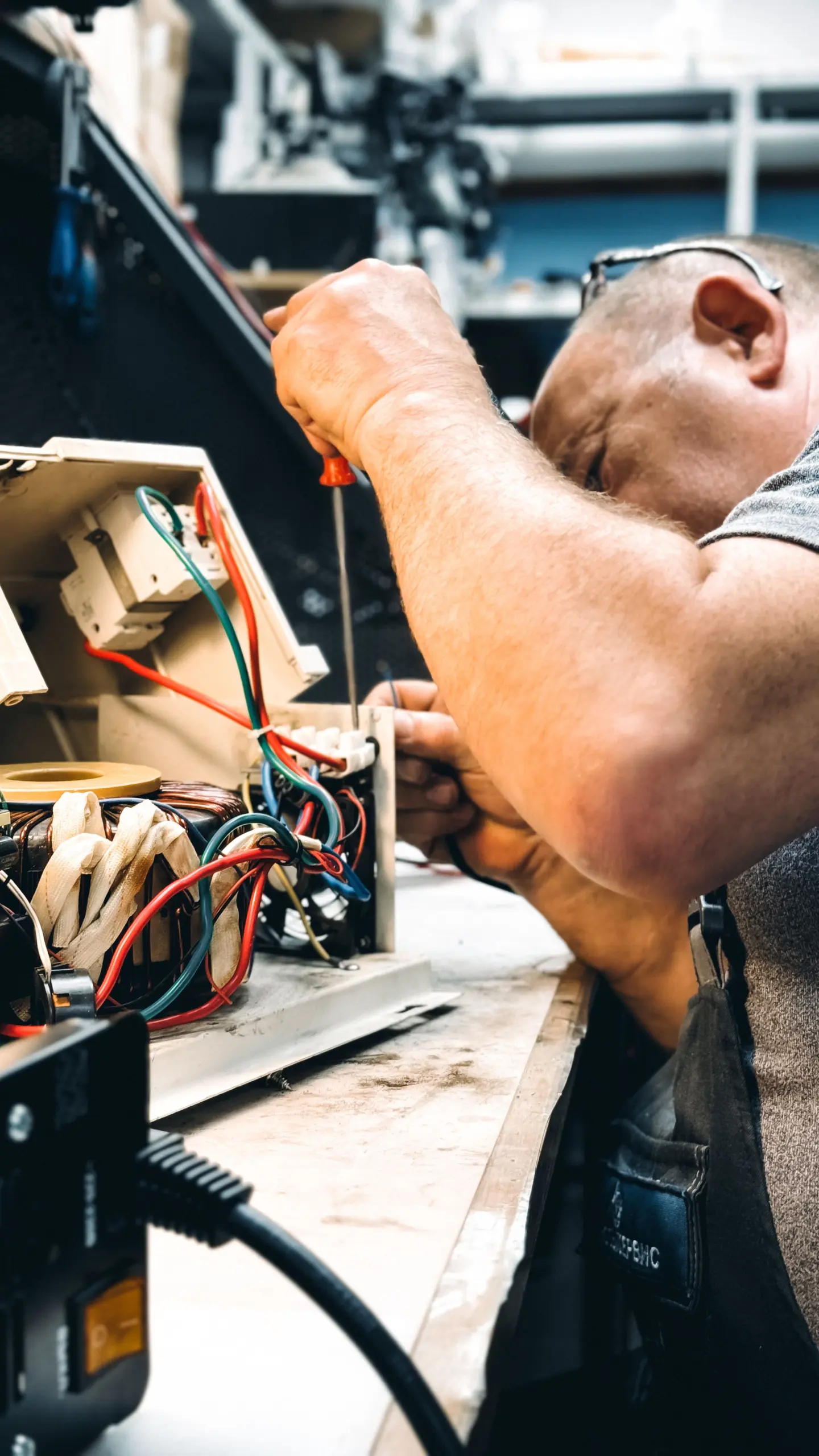
- 7. Control board or electrical faults: The most complex failures involve the control board or internal wiring, and are best left to a trained technician.
If you notice any of these signs, check the simple things first: make sure the appliance is plugged in and the breaker hasn’t tripped, clear visible lint or debris, and confirm the door or lid is closing fully. If the problem persists, it’s time to call a professional rather than risk further damage.
Safety First
Never attempt to repair a gas appliance, or open the back panel of a refrigerator or washer, if you smell gas, see sparking, or notice exposed wiring. Turn off the power or gas supply at the source and call a licensed technician immediately.
If your appliance is showing any of these symptoms, Conyers Appliance Pros diagnoses and repairs refrigerators, washers, dryers, dishwashers, and ovens throughout Conyers, GA, often with same-day service.
A Closer Look at the Most Common Culprits
A tripped breaker or blown fuse is often the quickest thing to rule out, but it’s easy to overlook when the appliance looks like it should be getting power. Check your electrical panel before assuming the worst. Worn seals and gaskets show up most often on refrigerators, freezers, and dishwashers, where a loose door seal lets cold air escape or water leak out, forcing the appliance to work harder than it should. Clogged filters and vents are especially common on dryers and dishwashers, and they’re one of the easiest problems to prevent with regular cleaning.
Faulty heating elements and igniters usually explain why an oven won’t reach temperature or a dryer runs but doesn’t dry. These parts wear out over years of normal use and are a straightforward fix once diagnosed. Worn motors, belts, and pumps tend to show up as unusual noise, vibration, or an appliance that starts but doesn’t complete its cycle, and are most common on washers and dishwashers that see heavy daily use.
DIY Checks You Can Safely Try First
Before calling for service, a few quick checks can save you a diagnostic fee if the fix turns out to be simple. Confirm the appliance is actually receiving power and that the breaker hasn’t tripped. For a dryer that isn’t heating, check the lint trap and exhaust vent for a clog. For a dishwasher or washer that won’t drain, check the drain hose for kinks and the filter for debris. None of these checks require opening up the appliance or touching anything electrical beyond the breaker panel.
When to Stop Troubleshooting and Call
If the quick checks above don’t resolve the problem, it’s time to call rather than keep guessing. Taking an appliance apart without the right experience risks turning a simple repair into a bigger one, and can void any manufacturer warranty still in effect. A technician can usually confirm the exact cause within the first few minutes of a diagnostic visit, which is often faster and cheaper in the long run than hours of trial and error.
What to Expect From the Repair Visit
Once you’ve ruled out the easy fixes and decided to call, the process is straightforward. A technician comes out, runs a diagnostic to pinpoint which of these common causes is behind your specific issue, and gives you a firm quote before touching anything. If the part needed is a common one, the repair often happens the same visit. If it needs to be ordered, you’ll know the timeline upfront rather than being left guessing.
Preventing the Same Problem Next Time
Several of the causes above are preventable with basic upkeep: cleaning filters and vents regularly, not overloading the appliance, and keeping door seals clean so they form a tight seal. None of this guarantees an appliance will never break down, since motors, belts, and electrical components simply wear out over time no matter how well they’re cared for. But a little routine maintenance does reduce how often you’ll need to make this call in the first place.
Don’t Guess for Too Long
It’s natural to want to save money by troubleshooting on your own, and the checks above are genuinely worth trying first. But once you’ve gone through them without finding an answer, further guessing usually just delays the fix and risks letting a small issue get worse. Conyers Appliance Pros is a phone call away whenever you’re ready to move past the guesswork and get a definitive answer.
Help with appliance not working in Conyers, GA
If you would rather not work through this alone, our technicians handle appliance not working for homeowners across Conyers and Rockdale County. You can book a technician or request a service visit, and we will confirm the details before any work begins.